-
What is sheet metal fabrication?
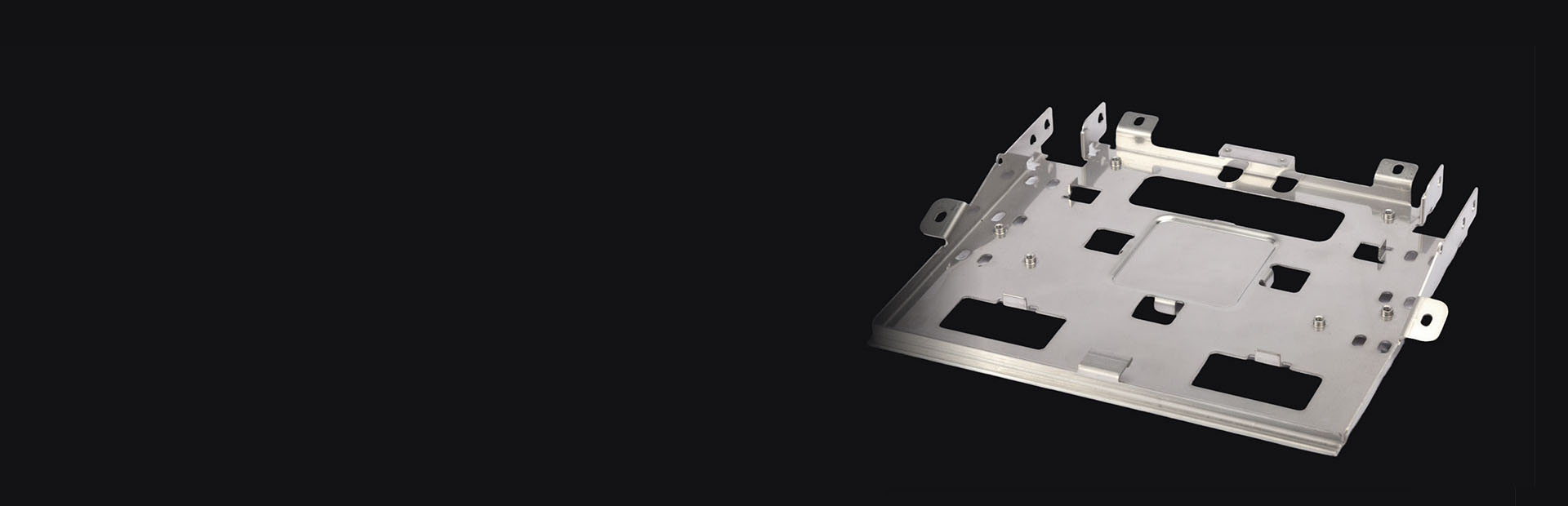
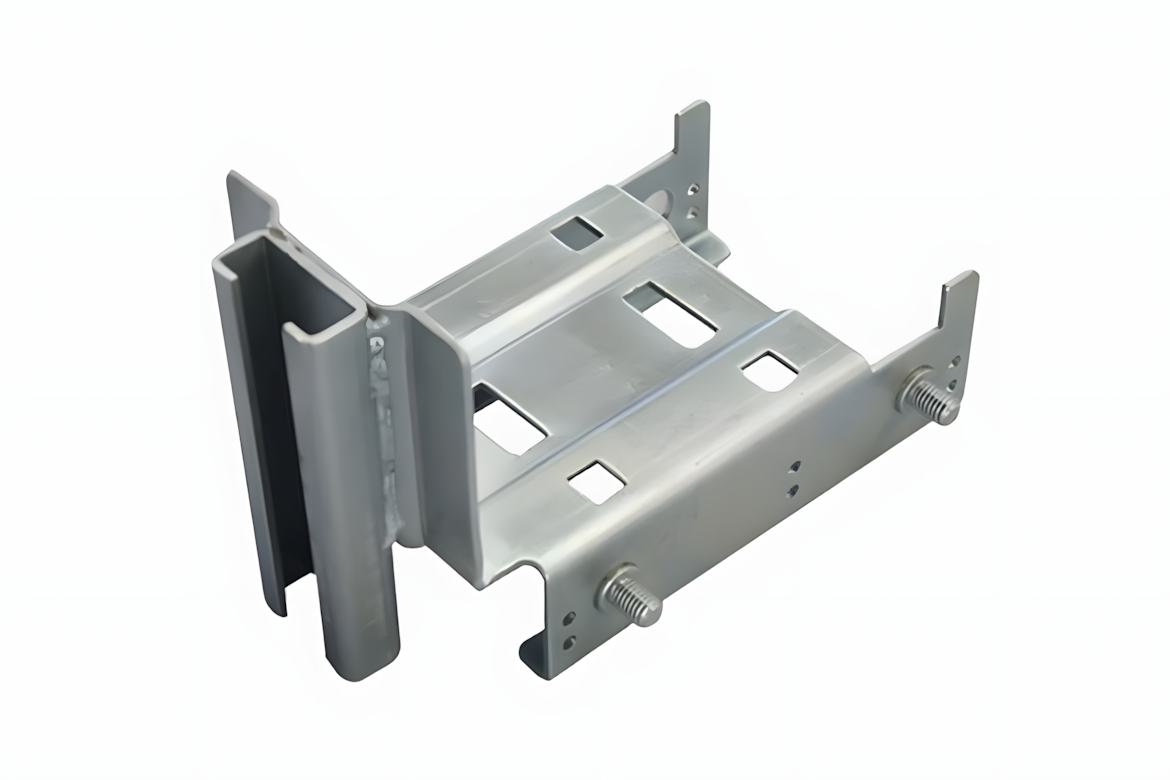
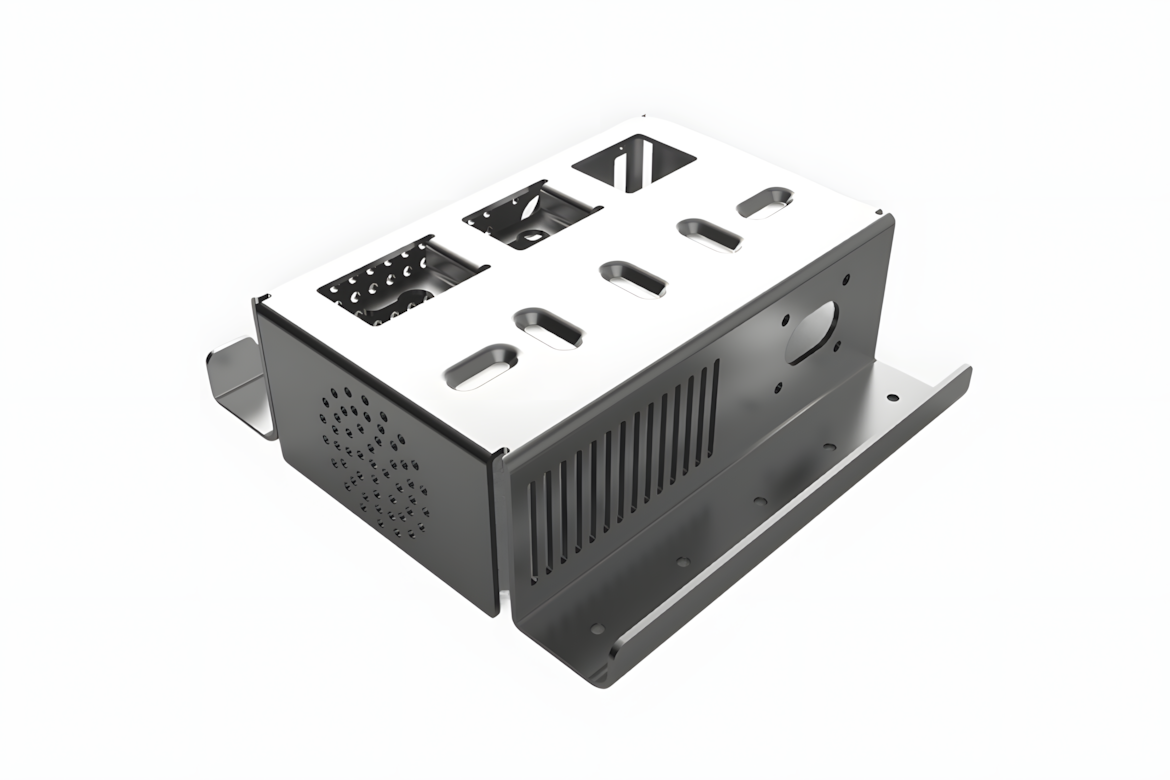
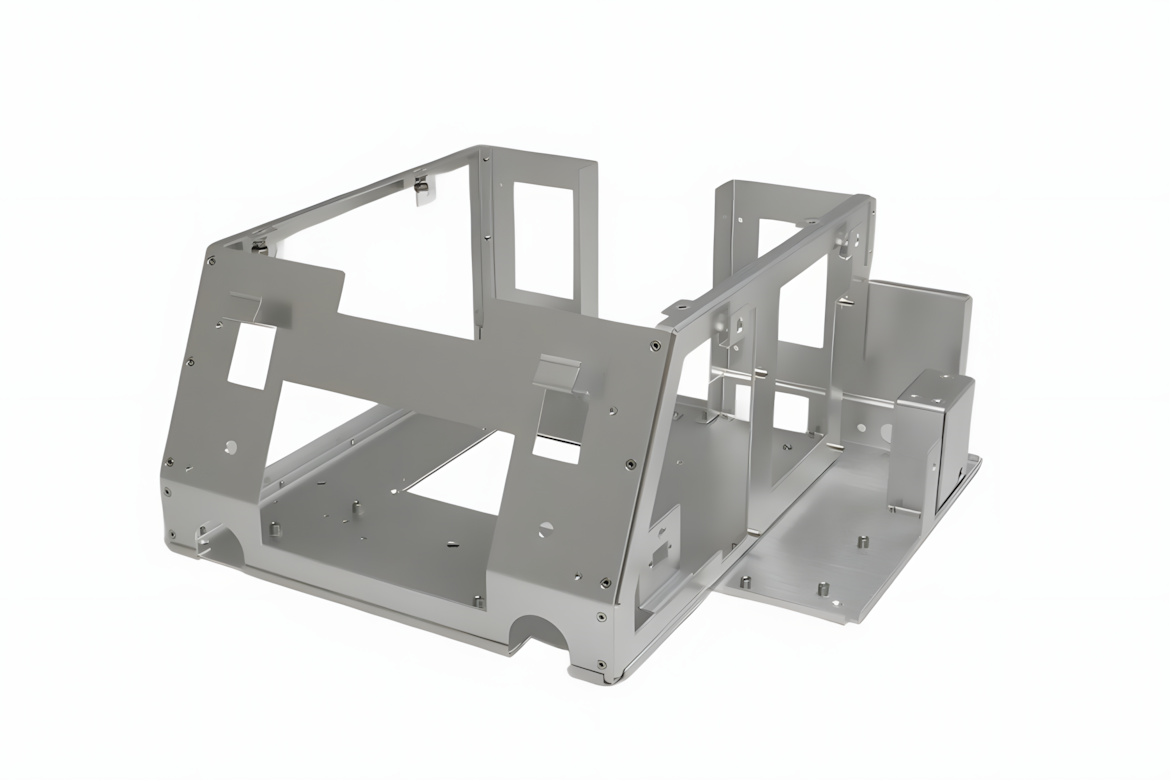
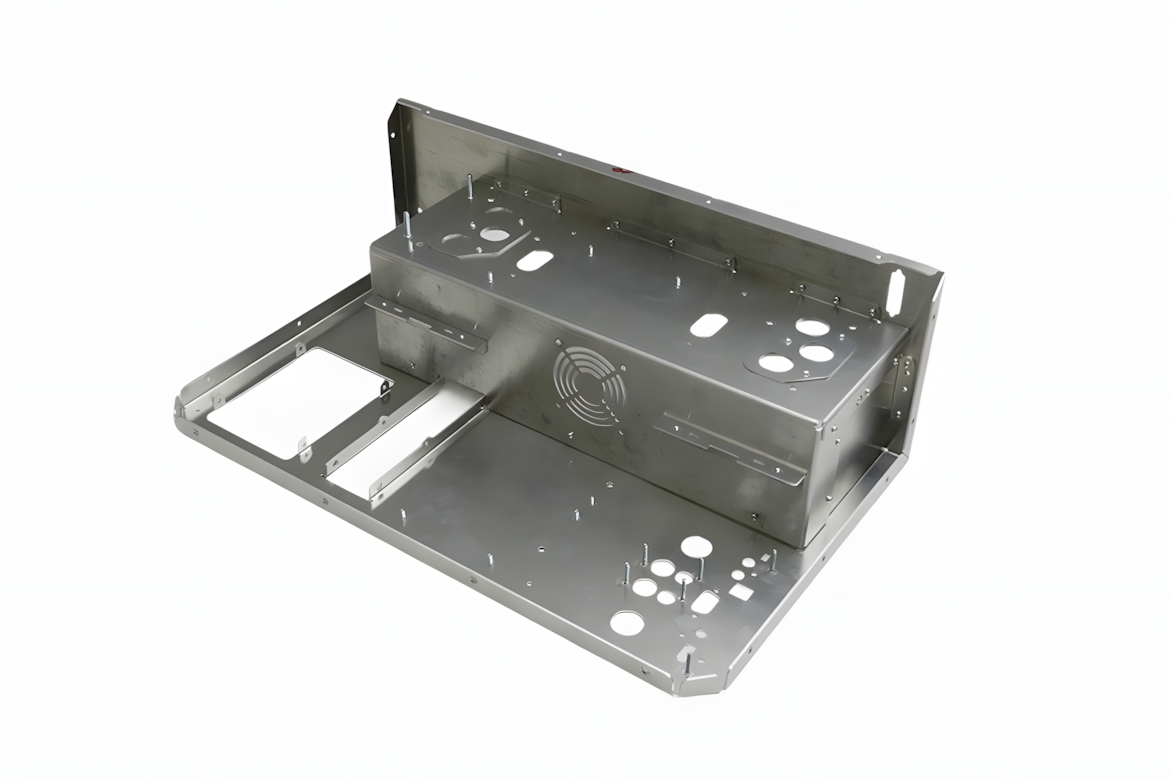
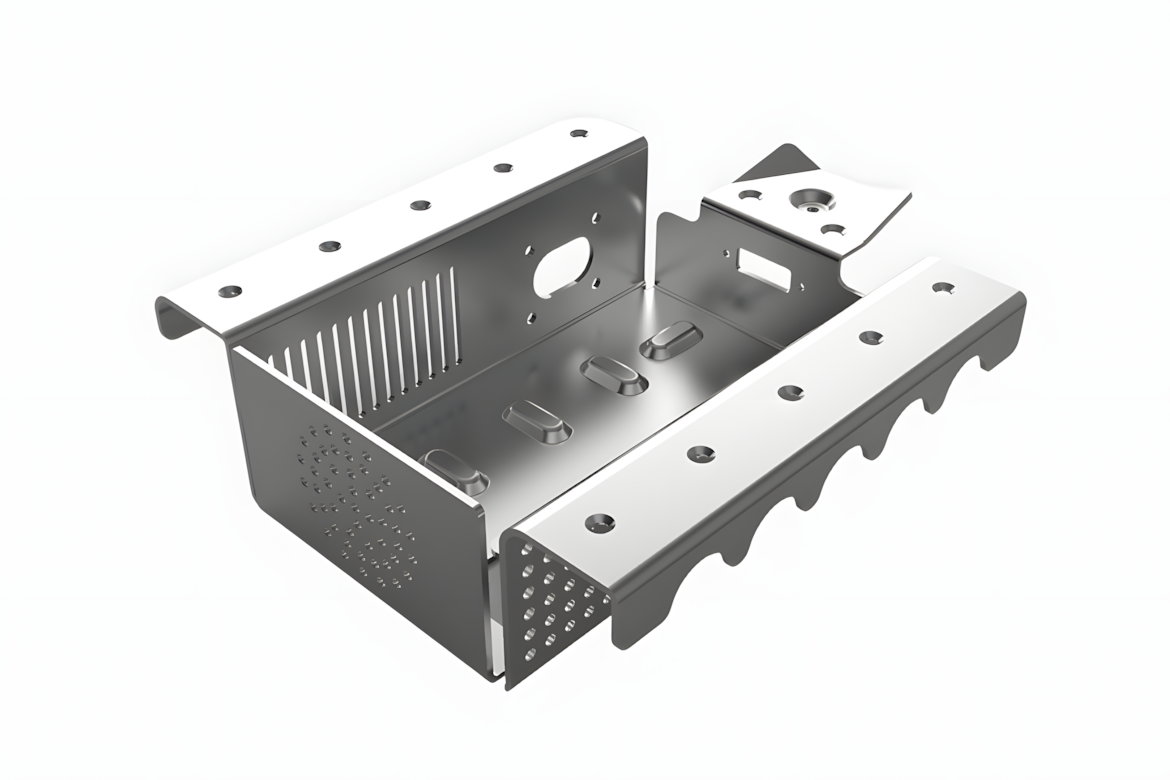
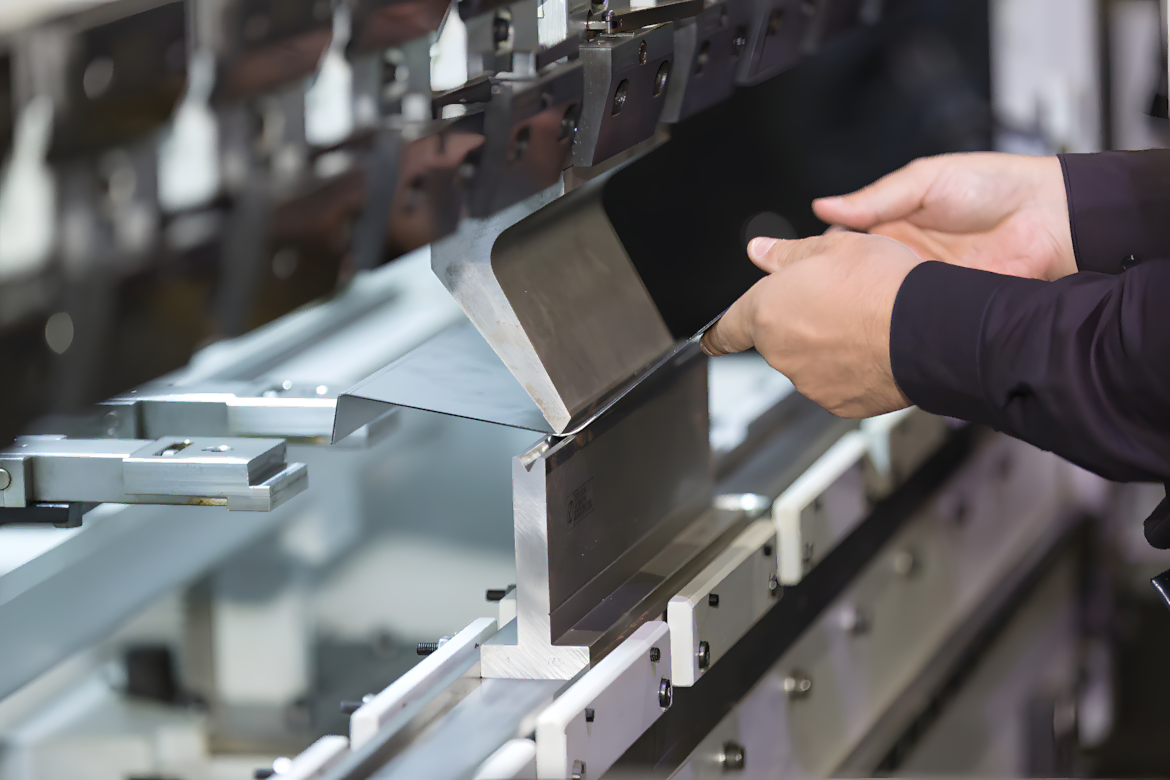
Sheet metal fabrication is a set of techniques used single or together to transform a flat sheet of metal also known as sheet metal to a shape.
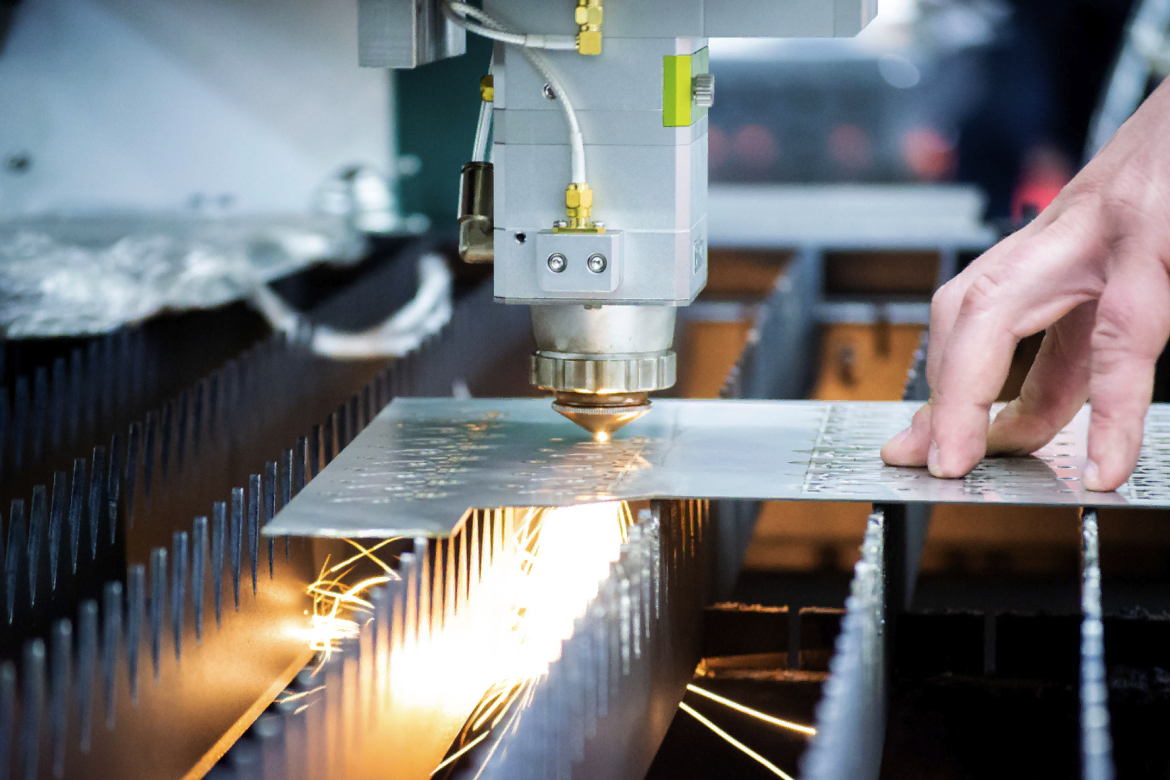
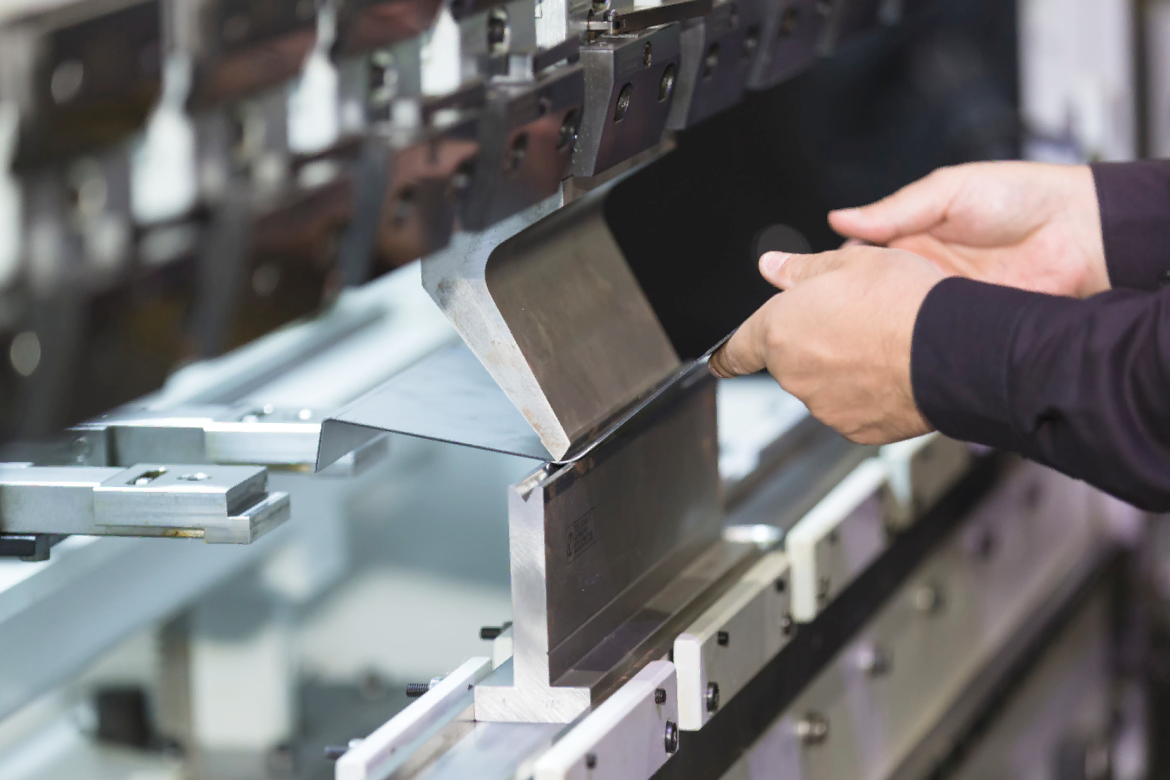
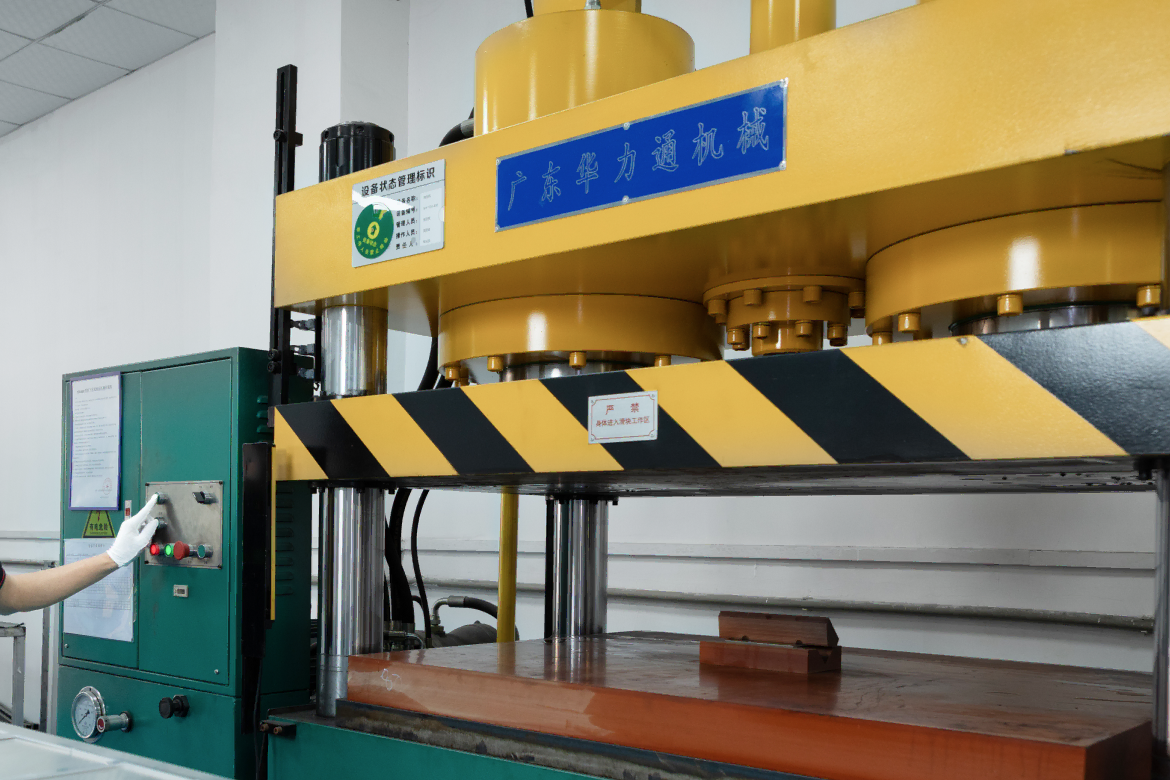
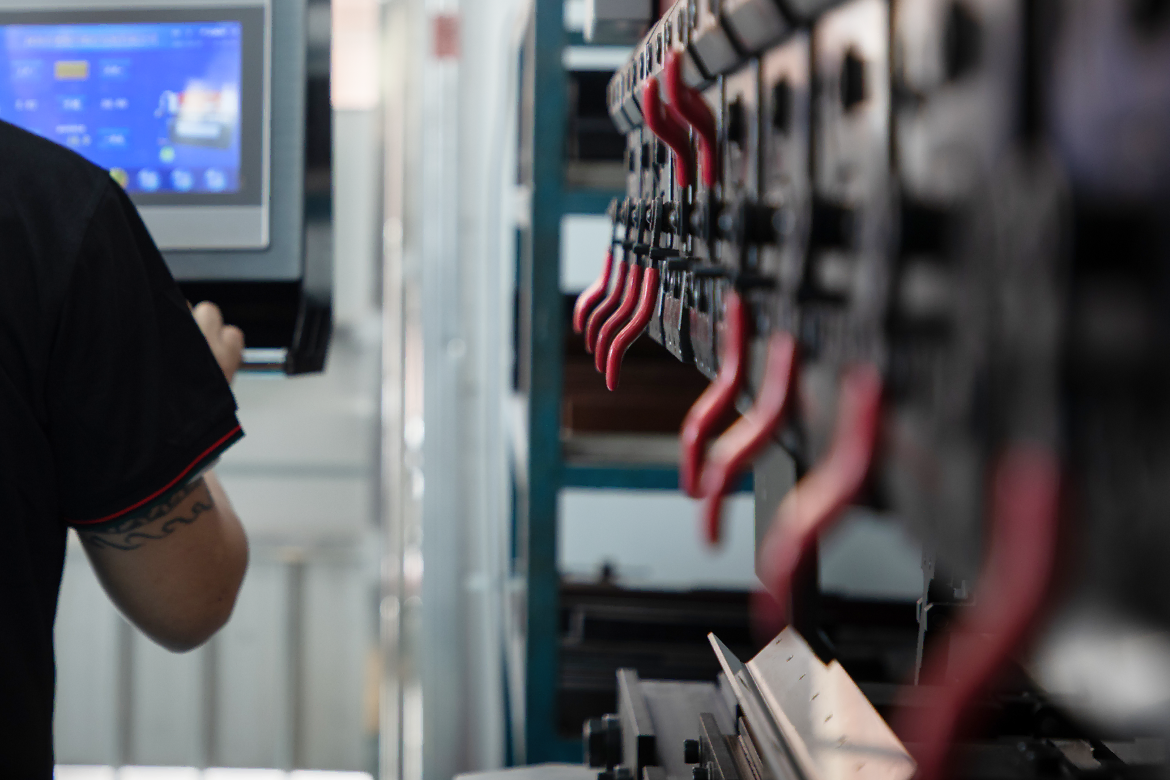
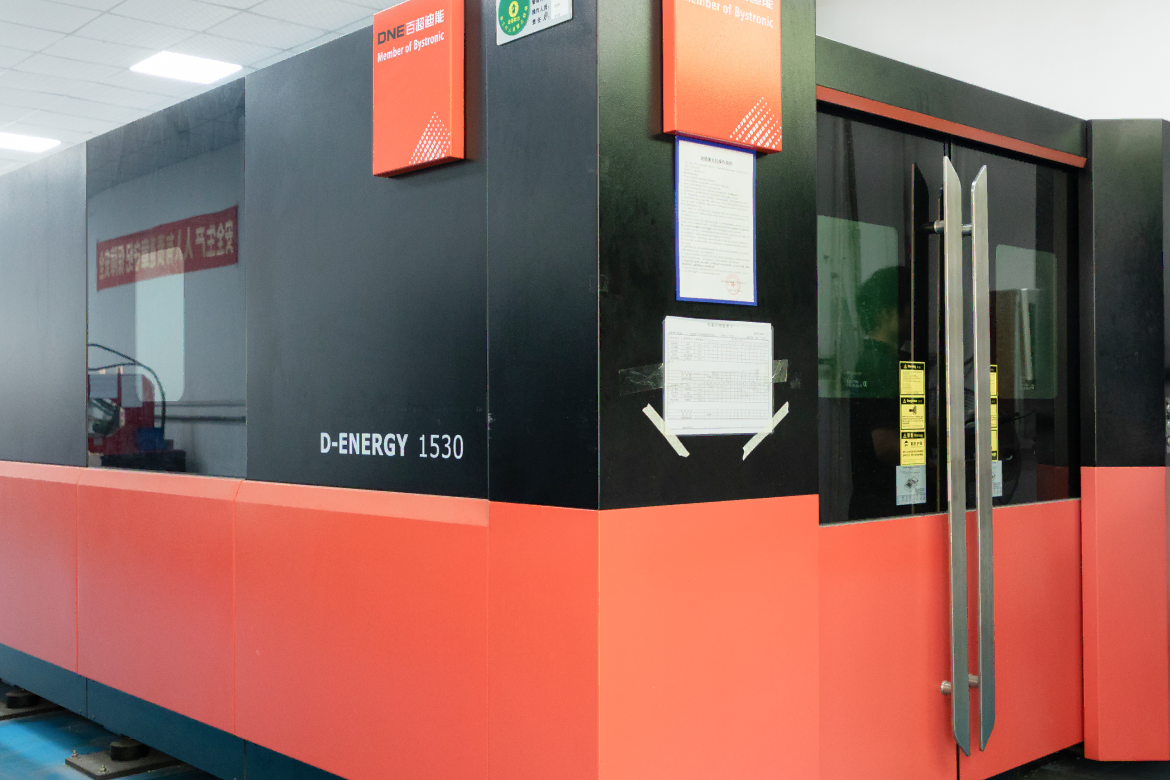
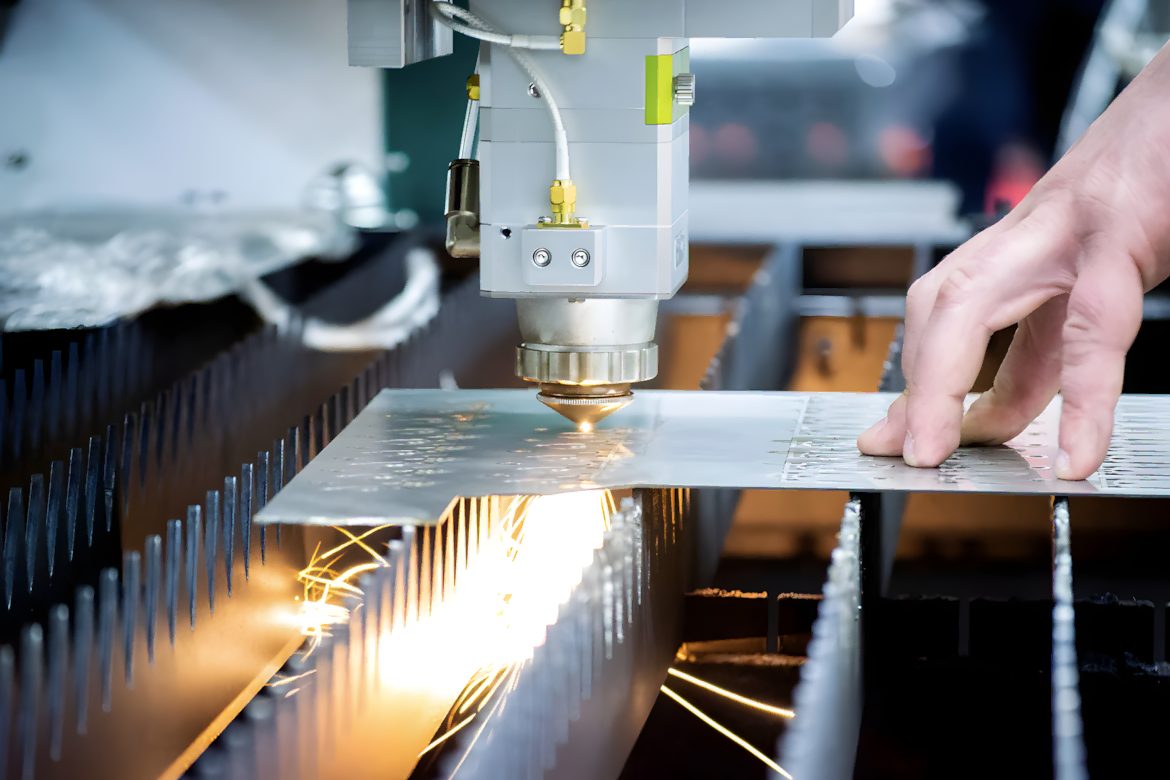
Common sheet metal technique used include the cutting techniques such as plasma cutting, laser cutting, and shearing. Forming techniques such as bending, and joining techniques such as welding, riveting, and use of adhesives
Sheet metal fabrication techniques are important in industries that uses sheet metals such as automotive, aerospace, and construction.
-
What is the importance of surface finishes in sheet metal fabrication?
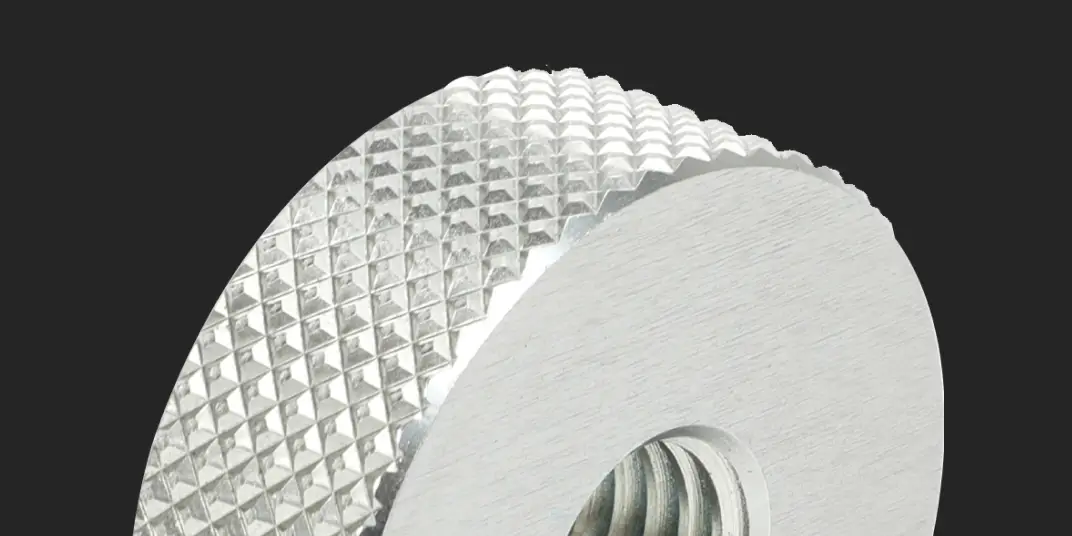
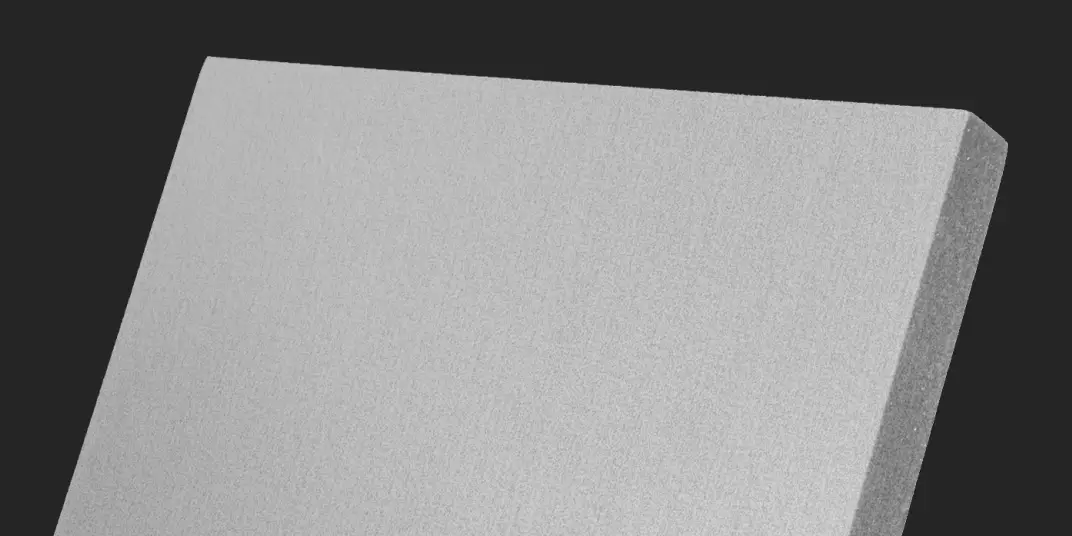
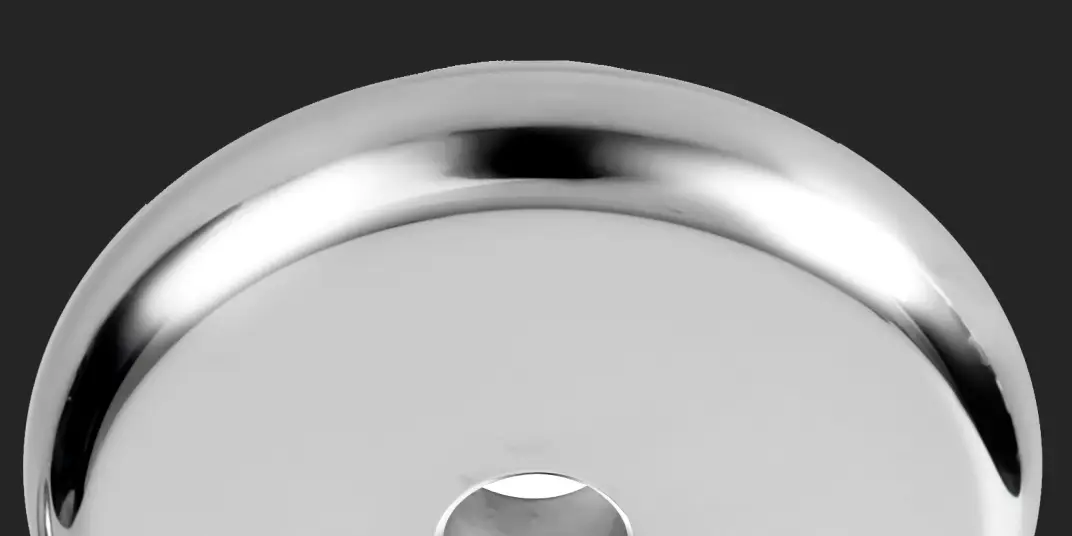
Surface finishes are now becoming a staple after sheet metal fabrication for better functional and/or aesthetics properties.
Common examples of surface finishing options include anodizing, powder coating, and polishing
These surface finishing options can improve part appearance, corrosion resistance, and durability.
Choosing a finish for a fabricated metal parts however depends on the material and the project requirements.
-
What materials are used in sheet metal fabrication?
Sheet metals come in different forms and materials. Common examples include:
_Stainless steel
_Aluminum
_Copper
_Brass
_Titanium
Each sheet metal has its unique inherent properties such as corrosion resistance, malleability, and strength which makes them suitable for fabricating construction, electronics, and custom machinery parts.
-
What are the advantages of custom sheet metal fabrication?
A major advantage of custom sheet metal fabrication is the design and material selection versatility.
Due to this versatility, the manufacturing process is suitable for industries like aerospace, medical devices, and industrial machinery
-
What is the lead time for sheet metal fabrication projects?
Sheet metal fabrication projects can take from 2 days to 8 weeks depends on the project specifics.
Other factors that can alter the lead time include the project’s complexity, material availability, and process type.
Moreover, the number of sheet metal fabrication technique used can also affect the lead time. Simple projects that uses only a single or few techniques might take a few days. On the other hand, complex jobs that involve multiple techniques may take several weeks.
-
Can sheet metal fabrication handle complex designs?
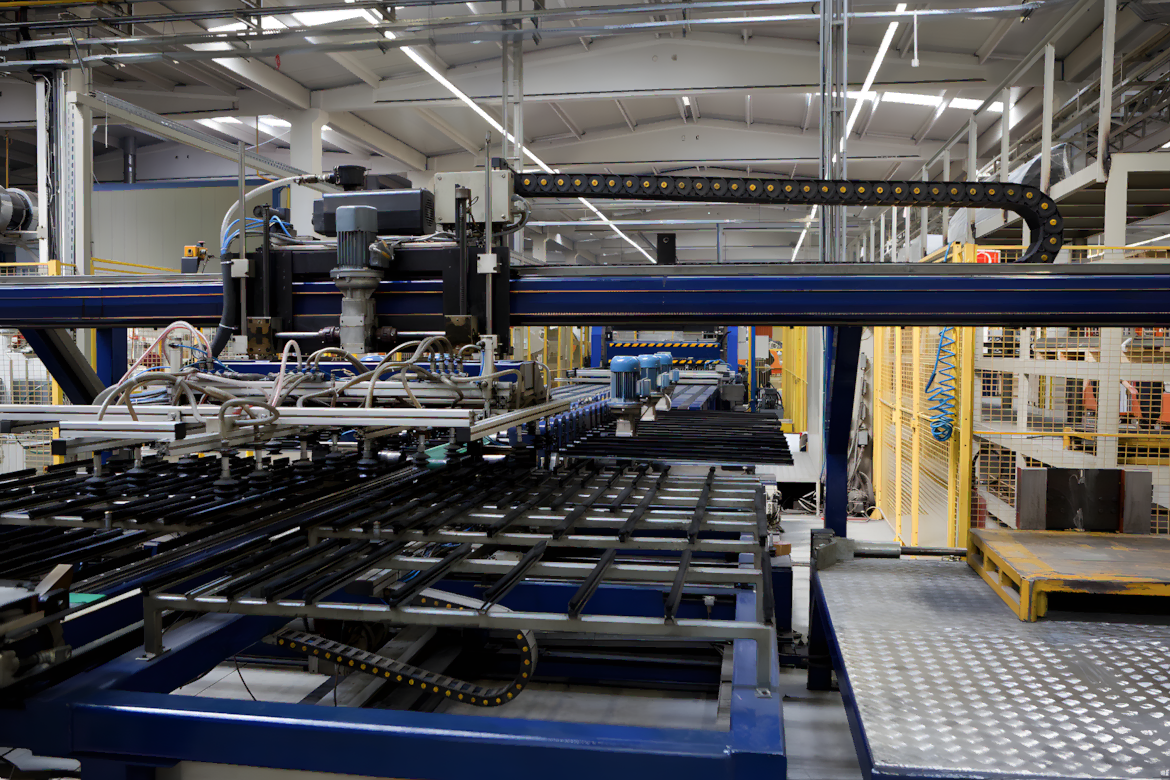
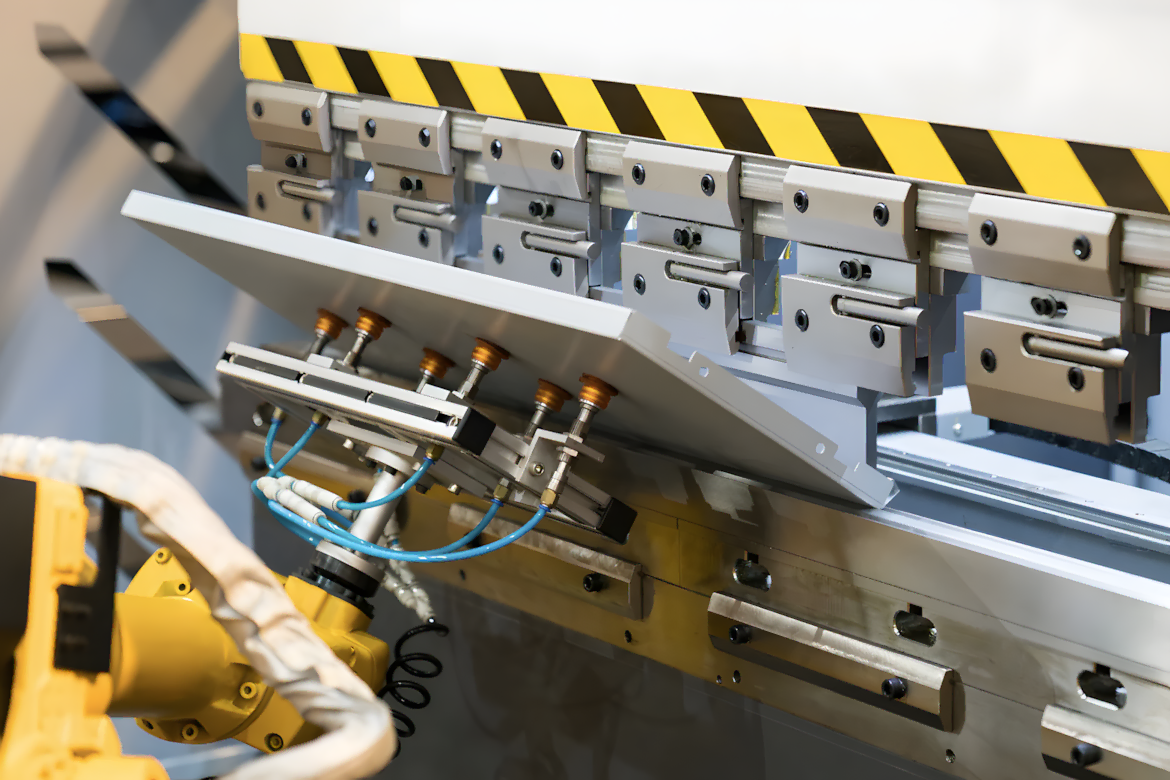
Yes, modern sheet metal fabrication technologies especially those with CNC automation can handle parts with complex designs.
These advanced tools can cut, bend, and weld sheet metals with high accuracy and tight tolerance.
-
What are the most common sheet metal fabrication processes?
The most common sheet metal fabrication techniques include:
_Laser cutting
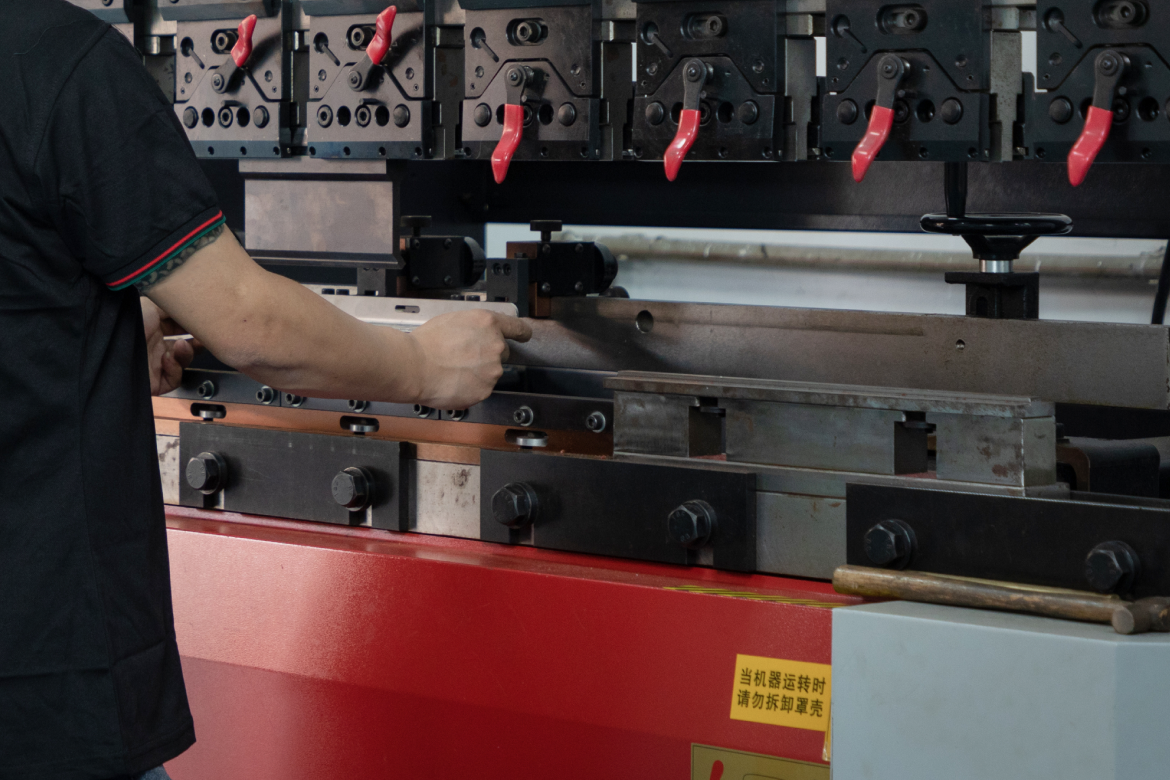
_Bending
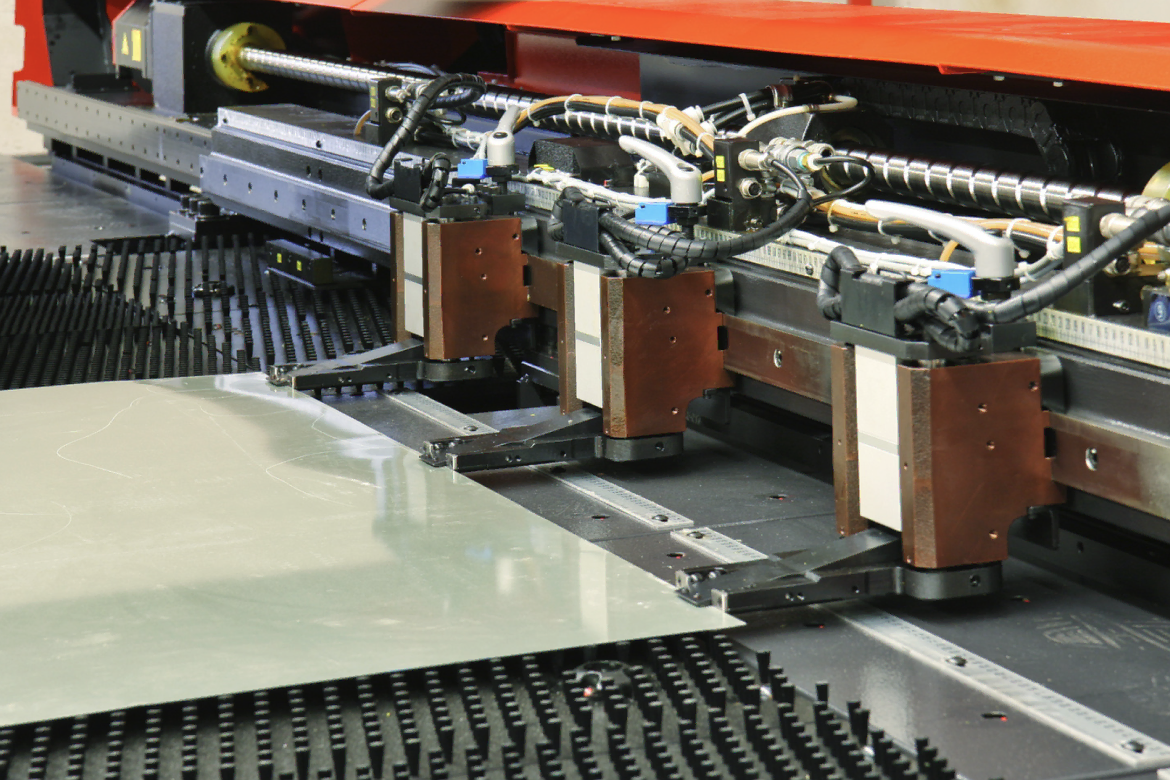
_Stamping
_Welding
_Riveting
Each sheet metal fabrication technique has a unique function and can be combined with other techniques when working on part.
-
What industries use sheet metal fabrication?
Sheet metal fabrication is an important part of industries such as automotive, aerospace, construction, and consumer electronics that relies heavily on the use of metal parts.
-
How accurate is sheet metal fabrication?
Sheet metal fabrication is accurate depending on the technique and the machine. For example, among the different cutting processes, sheet metal laser cutting is the most accurate with a tolerance of +/- 0.05 mm or better.
-
What is the cost of sheet metal fabrication?
LC Proto offers sheet metal fabrication services at a competitive price.
Nevertheless, you should know that factors like sheet metal material, project complexity, and volume will affect the cost of production.
In terms of materials, stainless steel and aluminum are affordable compared to titanium. Additionally, the higher the production volume, the lower the cost per unit part.




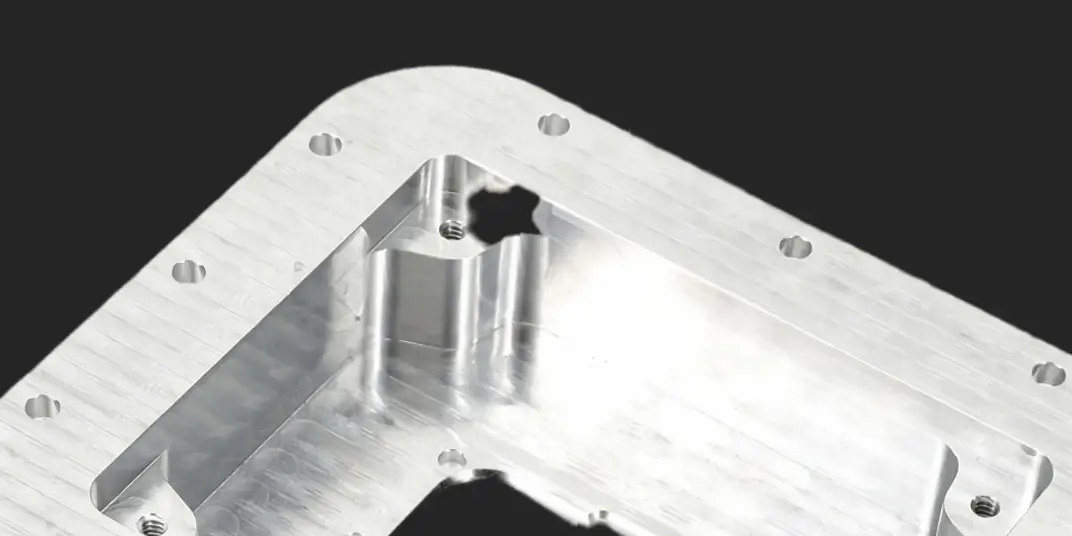 Standard
 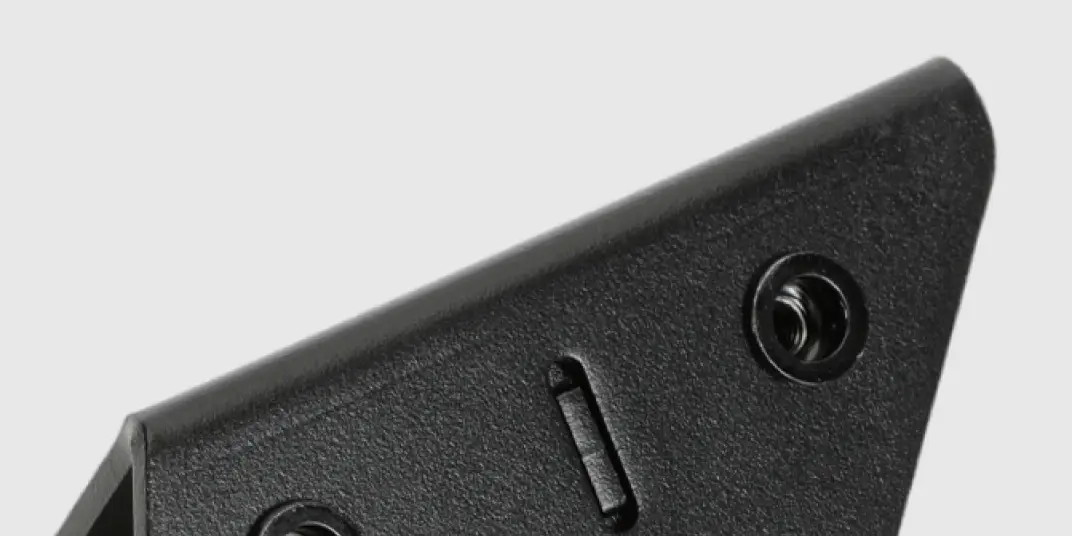 Powder Coating
 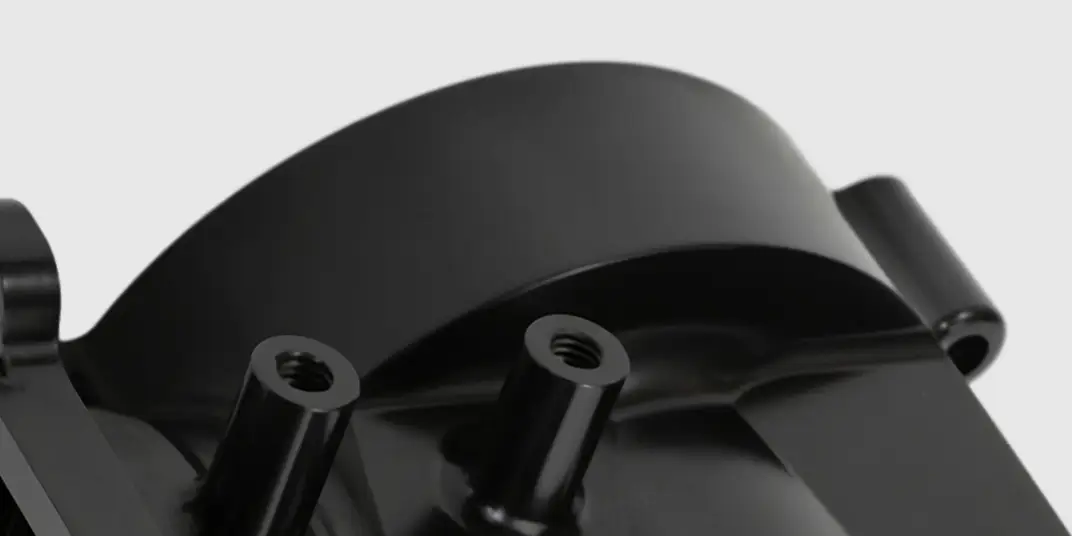 Anodizing
  Electroplating
  Sand Blasting
  Polishing