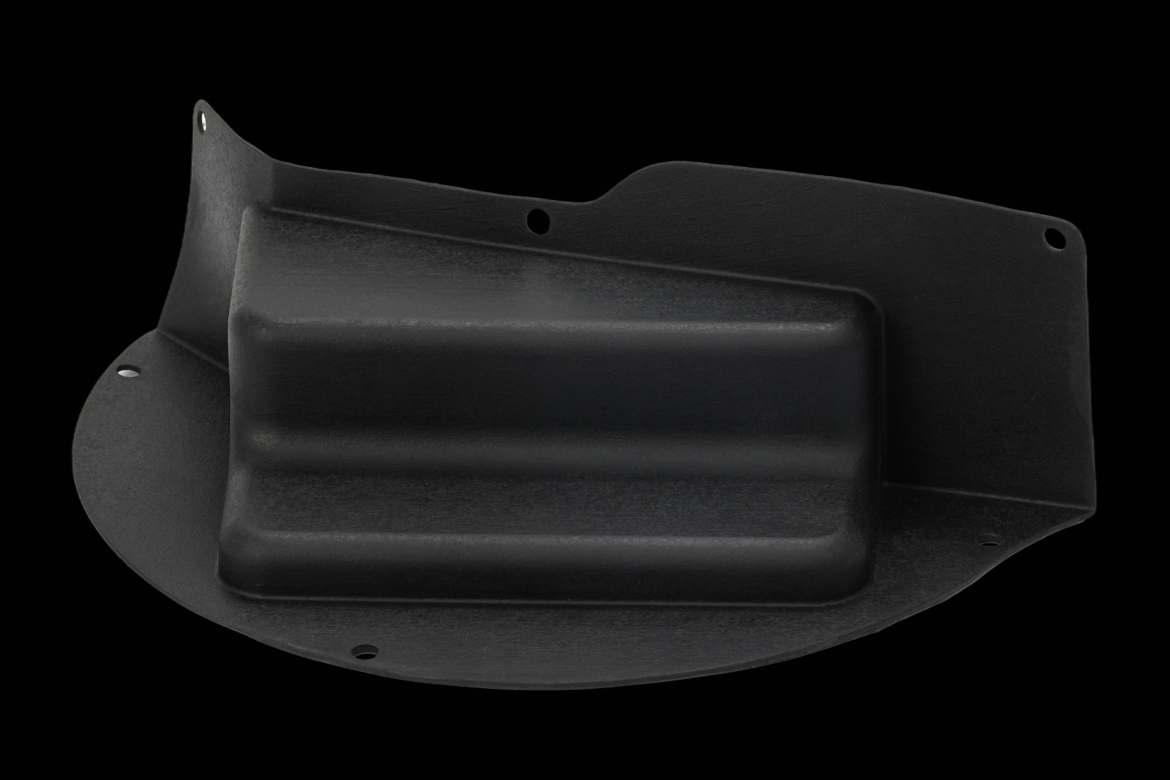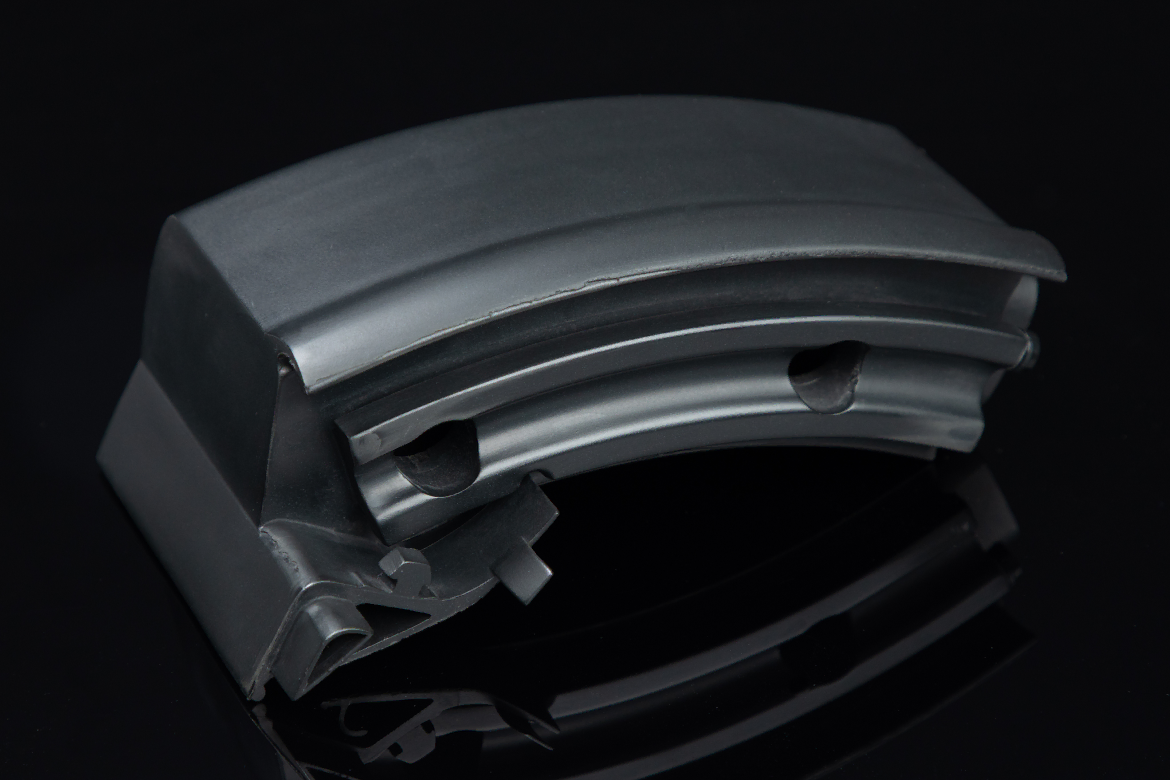

What is Vacuum Casting?
Vacuum casting, also known as silicone or polyurethane casting, is a process that replicates a master pattern using a silicone mold filled with a material such as polyurethane resin under vacuum.

This helps eliminate air bubbles and ensures parts are precise, uniform, and have complex shapes.

Industries such as automotive, aerospace, and consumer products benefit from the high-quality, customized products that can be manufactured this way.

With lower tooling costs and quicker turnaround times, vacuum casting is a cost-effective option for companies looking to innovate without breaking the bank.
Start Your Vacuum Casting Project Today

Ready to bring your design to life? Get a custom quote for your vacuum casting project today!
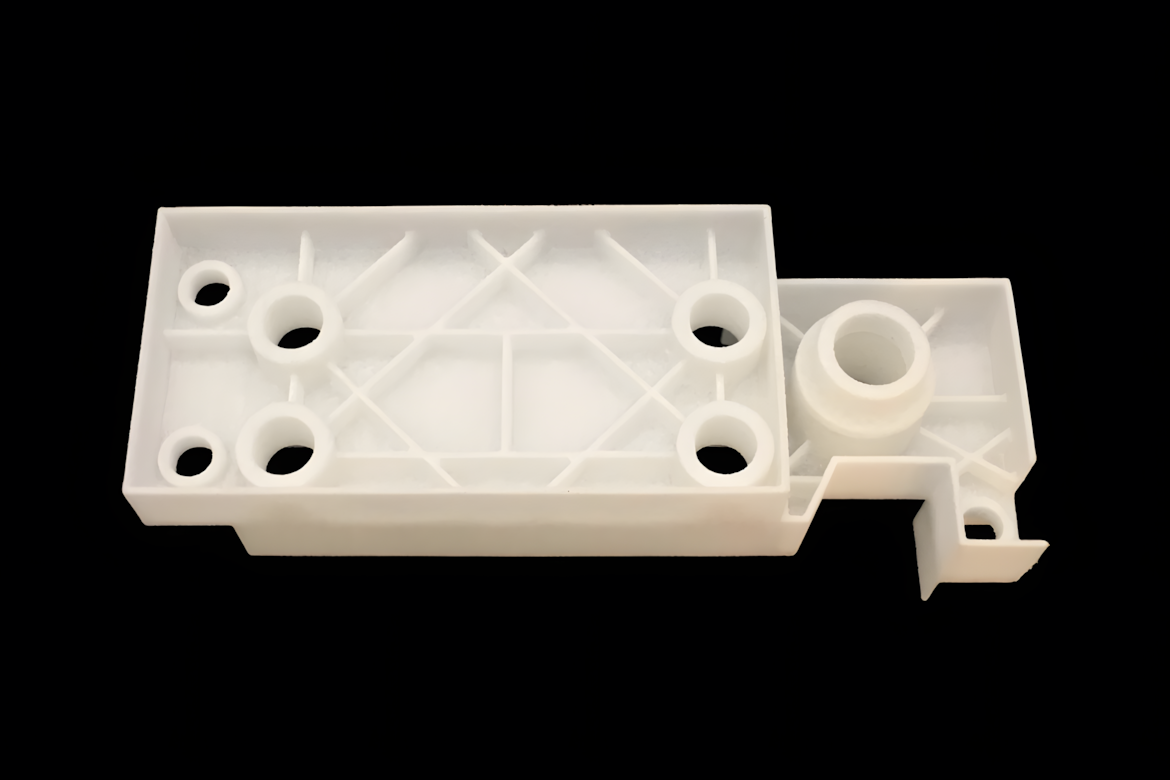
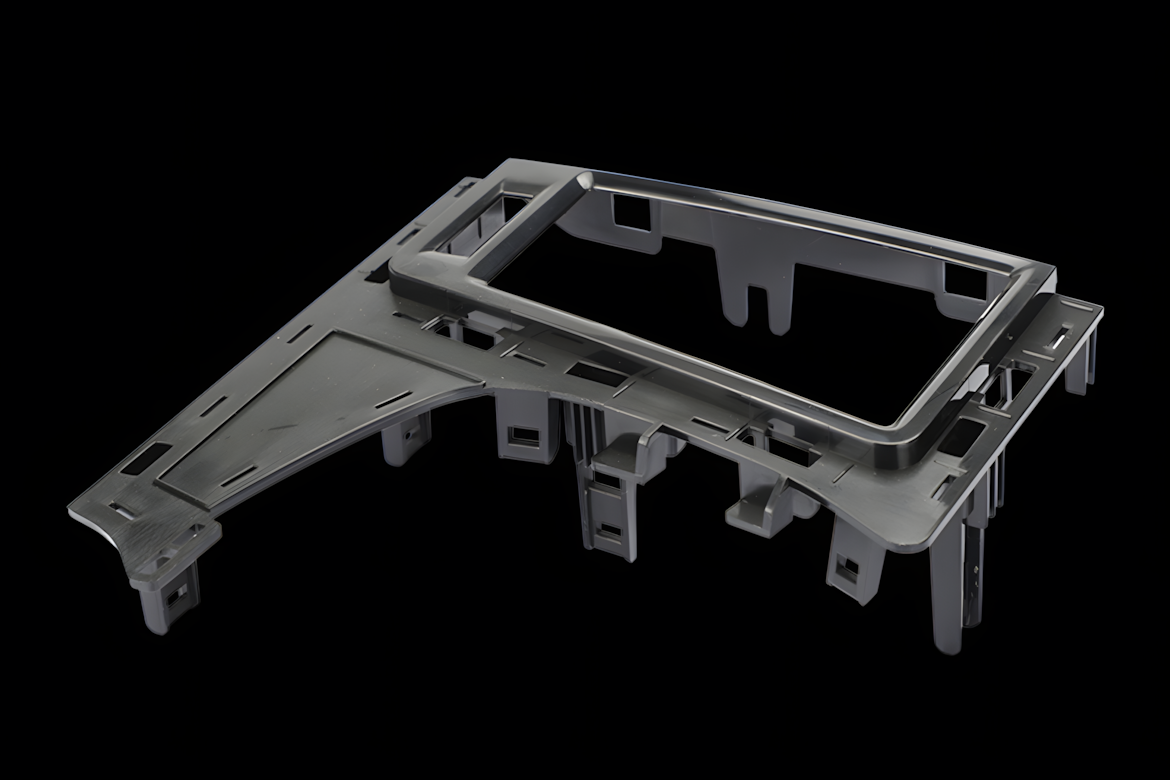
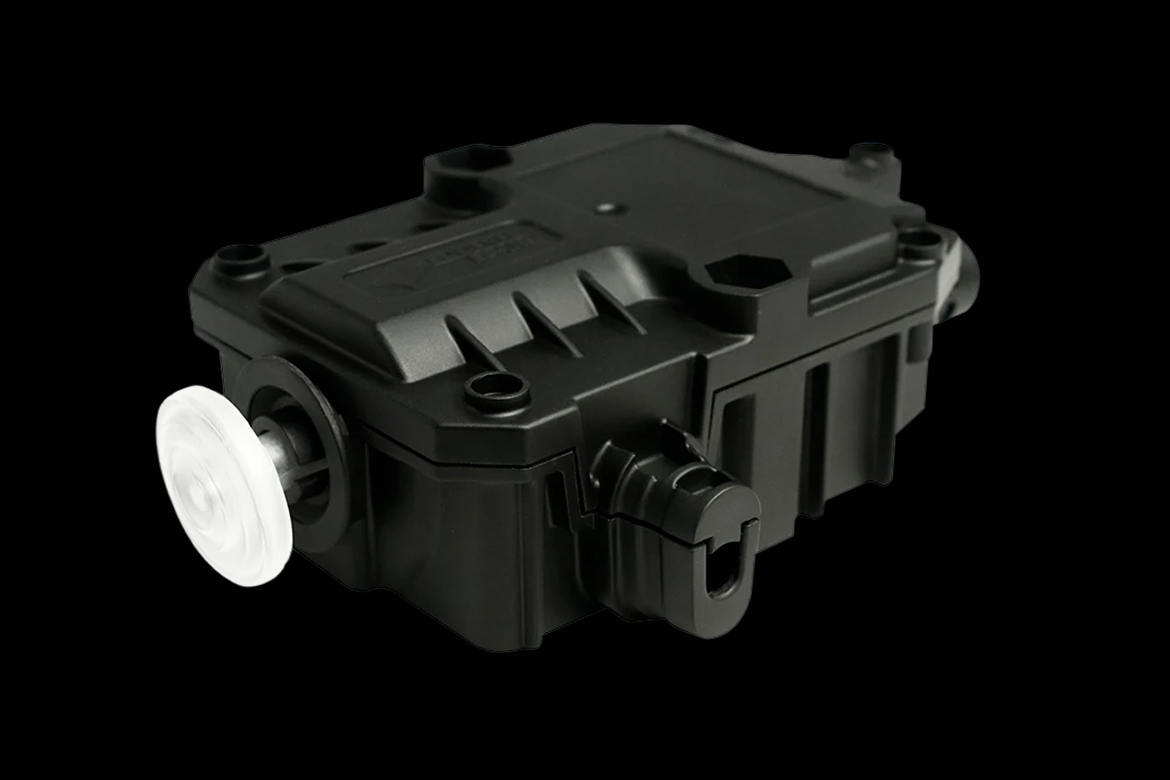
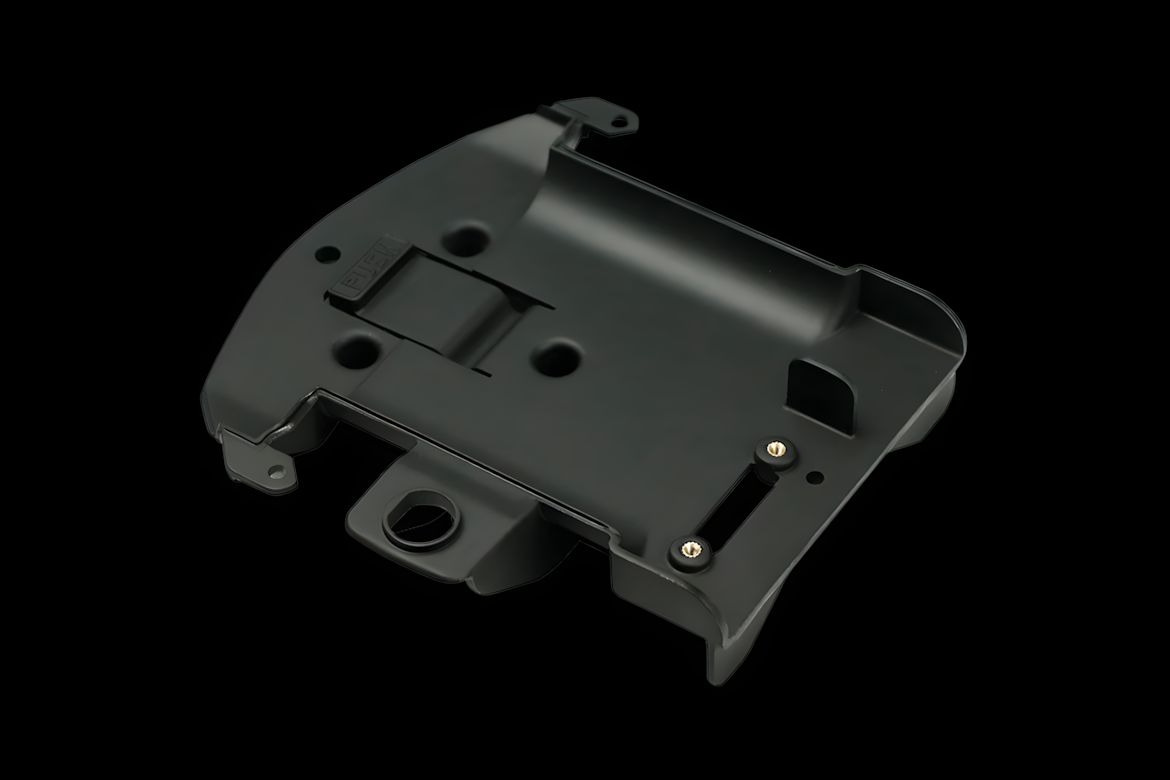
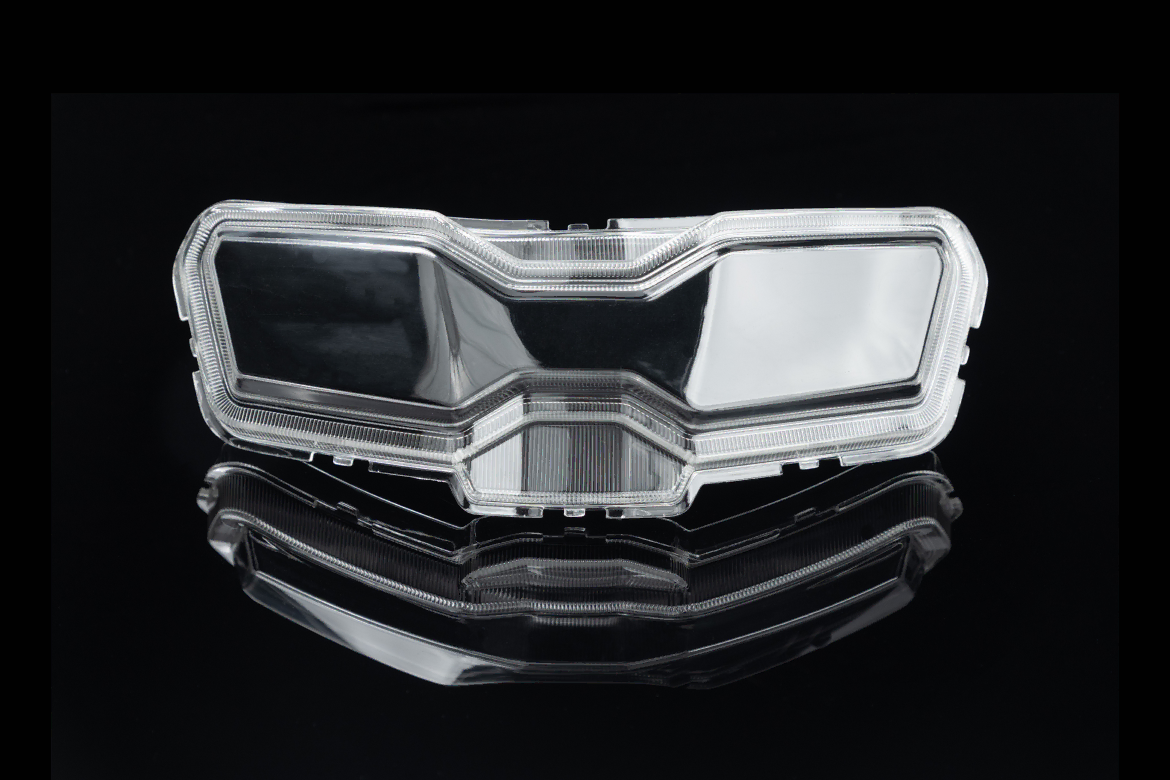
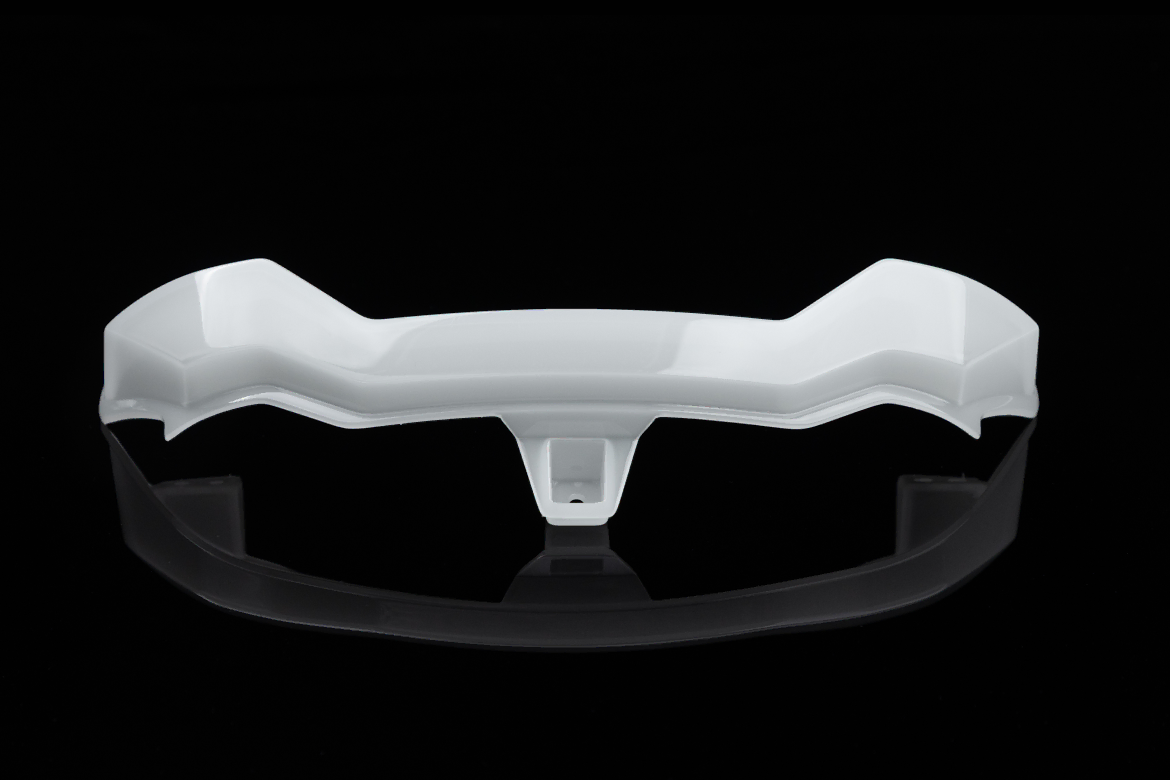
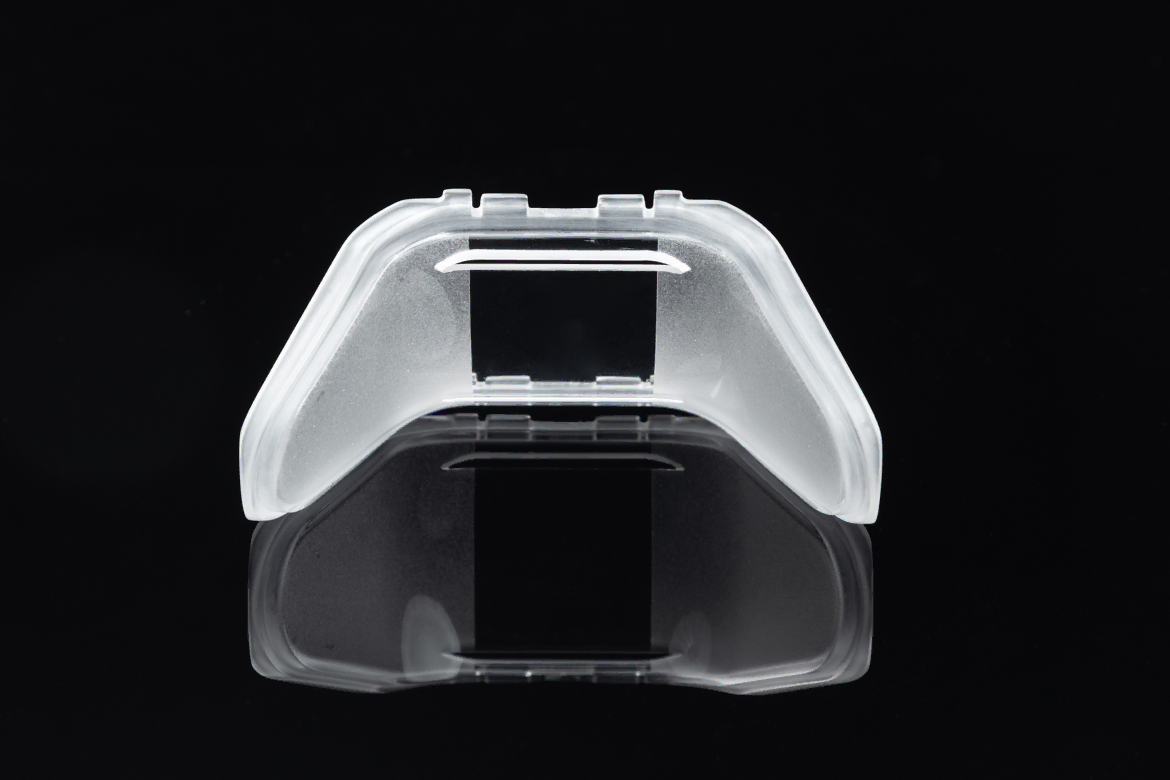
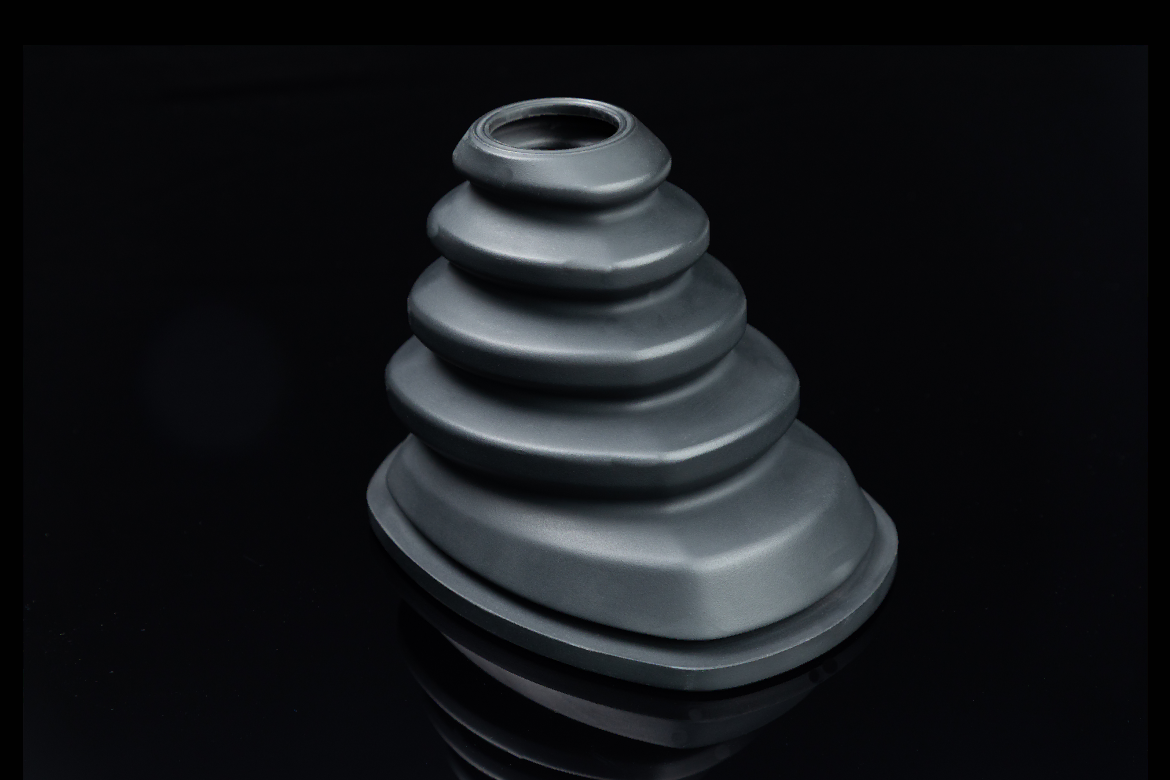
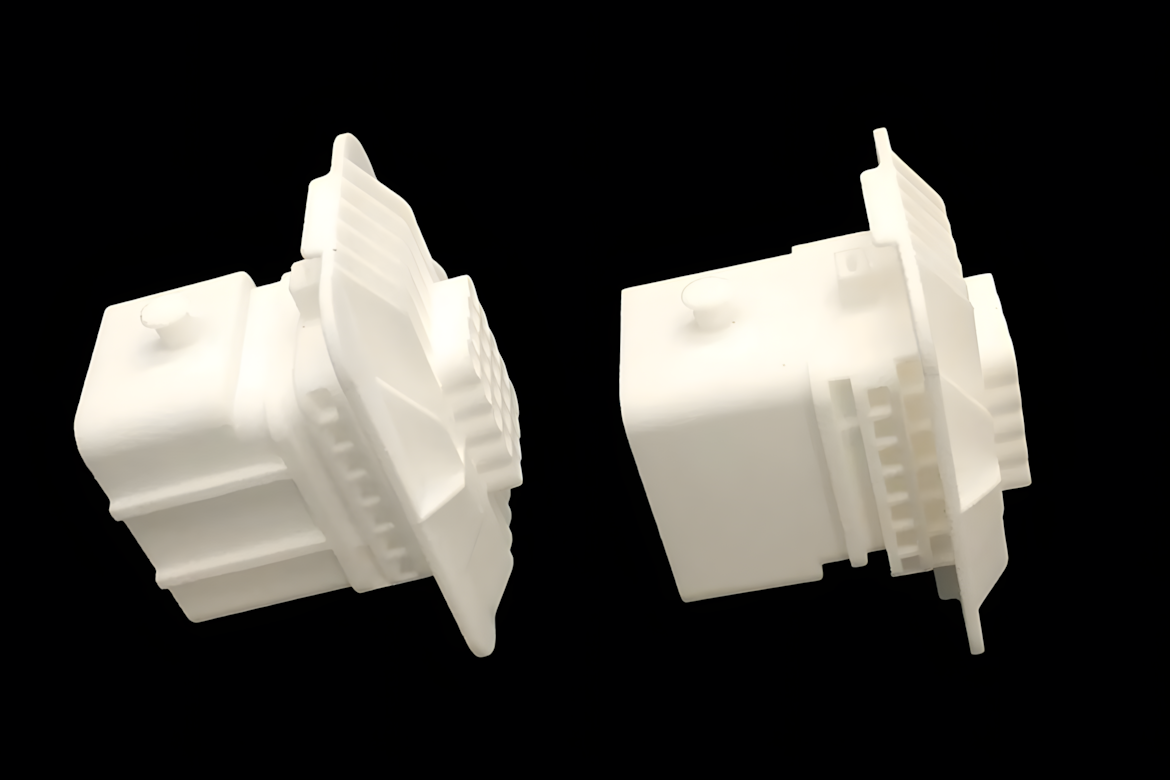
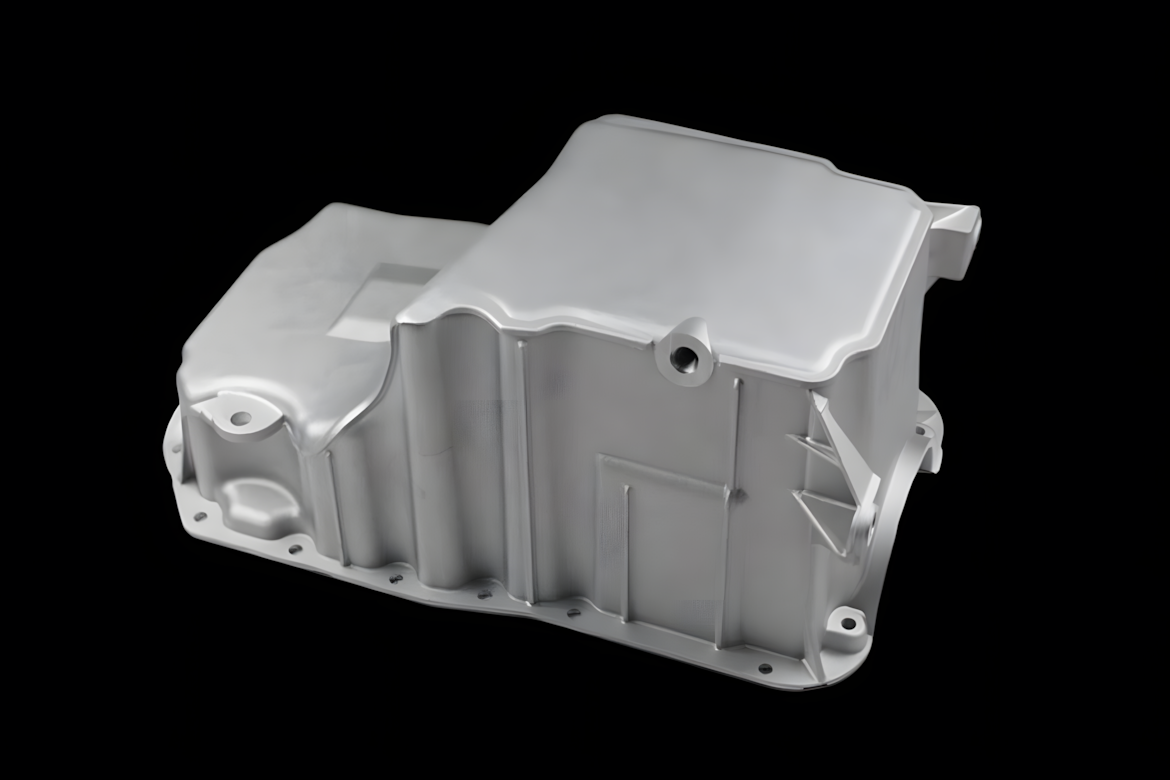
Parts Gallery for Urethane Casting Services
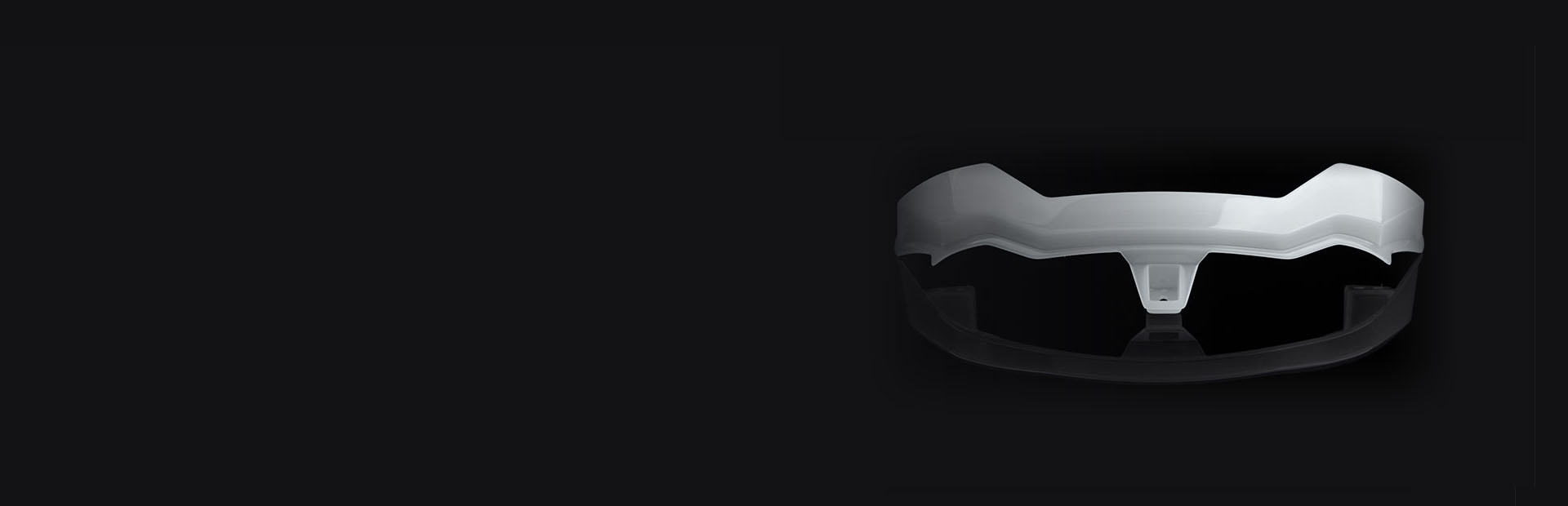
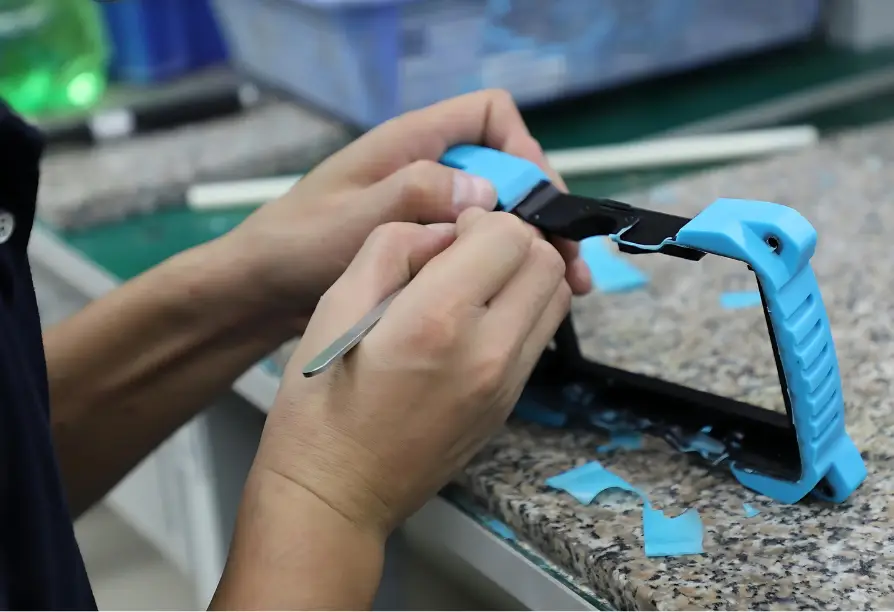
Explore our vacuum casting parts gallery to see how precision and quality come together in every piece we create.
Vacuum Casting Materials
Explore a range of high-quality materials for vacuum casting, tailored to meet your project’s specific needs and performance requirements.
Material Description Appearance Subtypes
Soft-rubber-like Vacuum casting is a great way to make rubber parts and prototypes. The soft, rubber-like materials work well for parts that need to be flexible and strong, used in both industrial products and things for everyday use. Colorless Transparent, Yellow Transparent T0387,8400
PA-like PX223 is a material similar to nylon, used in silicone molds to make strong, flexible parts that can handle a lot. Black, Tawny PX223
ABS-like Vacuum casting lets you make strong, ABS-like parts that resist impacts and insulate well. These parts are often used for electronic casings, car parts, and more. Beige, Black, Milky white Hei-Cast 8150, PZ858, 6160, P+600
PP-like UP 5690 has similar properties to real PP and HDPE materials. It’s easy to work with, strong against impacts, and flexible. It's great for making bumpers, equipment boxes, covers, and tools that reduce vibration. White, Black UP 5690
PMMA-like Urethane casting is a good way to make clear parts. PX-5210 isn’t as clear as real PMMA, but it has decent transparency, is easy to polish, doesn’t yellow, and holds up well under UV light. This makes it a solid choice for many uses where clear parts are needed. Transparent PX 5210
PC-like PX520 is used in silicone molds to make prototype parts and models that have similar strength and toughness to real PC (polycarbonate) material. White, Clear PX520
Our Surface Finishes for Urethane Casted Parts
Achieving smooth, flawless surfaces—our surface finishes for urethane casted parts deliver both durability and aesthetic excellence.
Available Finishes Description
Matte/Frosted The parts have a smooth, satin finish because the master pattern was bead-blasted to a matte texture. Parts that are clear or see-through will look frosted with this finish. Matte finishes are great for areas that are often touched because they hide fingerprints better.
Semi-Gloss Semi-gloss finishes have a little shine, but not too much. They’re in between shiny (high-gloss) and flat (matte), giving the surface a smooth look that’s easy to clean.
High-Gloss A glossy finish with a lot of shine needs the master pattern to be polished before making the mold. This finish has a shiny look and makes clear parts look the clearest. High gloss is great for models that need a smooth, clean surface or for lenses.
Textured Texture is added to the master pattern using paint and manual methods before making the mold. Texturing is helpful for areas that get a lot of use, like handles, because the bumps and grooves improve grip and reduce fingerprints or scratches.
Custom LC Proto can also offer extra services like adding finishes, painting, and more.
Put Your Parts into Production Today!

Ready to bring your design to life? Get a custom quote for your vacuum casting project today!
Vacuum Casting Equipment List
Equipment Travel Quantity
Vacuum Casting Machine Fupusen V400 400*400*300 mm 2
Vacuum Casting Machine Fupusen V650 600*500*500 mm 3
Vacuum Casting Machine Fupusen V1200 1200*800*800 mm 3
Vacuum Casting Machine Changxing V2500 2500*1200*800 mm 2
Oven Jingyihuang 600*400*500 mm 2
Oven Jingyihuang 1500*800*1000 mm 2
Oven Jingyihuang 2200*1200*1500 mm 1
UnionTech Lite600HD 600*600*400 mm 10
UnionTech RS4000 400*400*250 mm 5
Manufacturing Capabilities for Vacuum Casting Services
Review our vacuum casting capabilities outlined below, highlighting key service parameters and production details.
Specifications Tolerance
Accuracy Highest precision to reach ±0.05 mm
Maximum Part Size 2000 x 1000 mm
Minimum Wall Thickness 1.5mm~2.5mm

Note: The data is for reference purposes only, and the exact figures may vary depending on the situation. Feel free to contact us, and we’ll be happy to provide more details!

Vacuum Casting Tolerances
Discover the precise tolerances we offer with vacuum casting, ensuring your parts meet the highest standards for fit and functionality.
Description Tolerance Notes
Distance Dimensions +/- 0.010” or +/- 0.003” per inch, whichever is larger, is typical. Irregular or overly-thick geometries may cause deviances or deflection due to shrinkage.
Shrink Mitigation A shrinkage rate of ±0.15% can be expected due to thermal expansion of the liquid, and the response of the flexible mold.
Surface Quality Surface finish is externally smoothed to a satin or matte surface. Grow lines may be present on internal or difficult-to-access features. Polishing or custom finishes must be clearly defined and agreed upon at the point of order.
Feature Definition Sharp corners and text may appear slightly rounded.
Size Recommendation The maximum part size for vacuum casting is 2000 x 1000 mm.

Note:  The data above is for reference only. Please verify the exact specifications based on your specific requirements. Feel free to contact us for more details!

Why Choose Us
How to Work with Our Vacuum Casting Service
Partnering with LC Proto for vacuum casting is simple and efficient. From submitting your CAD design to production, we make every step smooth to deliver precise, high-quality results.
FAQs
  • Is vacuum casting cheaper than 3D printing?
    Vacuum casting can be more cost-effective for producing multiple parts, while 3D printing is better for single prototypes.
  • What is the typical lifespan of a vacuum-casting mold?
    A silicone mold has an average life of 10-20 runs before it begins to degrade.
  • How does vacuum casting differ from injection molding?
    Vacuum casting differs from injection molding based on the type of molds and the volume of production.
    On the one hand vacuum casting uses silicone molds and is relied on more for prototyping. On the other hand, injection molding uses steel or aluminum mold and is the best manufacturing process for mass production of parts.
    Additionally, vacuum casting is the better option for low-volume projects or prototypes compared to injection molding.
  • What is vacuum casting used for?
    Vacuum casting is used to create high-quality prototypes and small production runs. It’s ideal for parts with complex shapes, detailed features, and is commonly used in industries like automotive, aerospace, medical devices, and consumer electronics.
  • What is the maximum part size for vacuum casting?
    The maximum part size for vacuum casting Up to 2000 x 1000 mm.
  • How accurate are vacuum-cast parts?
    Vacuum casting has a accuracy of ± 0.15 % (dimensions below 100 mm bear a lower limit of 0.3mm)
    Its precision allows for more detailing and consistency during casting.
  • What are the benefits of vacuum casting for prototyping?
    Vacuum casting benefits include excellent balance between cost, speed, and quality when used in prototyping.
    It offers the ability to quickly produce functional prototypes with a high level of detail and surface finish.
    Additionally, it allows for testing different materials and geometries before moving to large-scale production.
  • What is the vacuum casting process?
    The process involves creating a silicone mold from a master model, then injecting liquid resin to produce parts.
  • Is vacuum casting permanent?
    Vacuum cast parts are durable but not as permanent as injection-molded parts; they are ideal for prototypes or low-volume production.
  • Is vacuum casting permanent?
    Vacuum cast parts are durable but not as permanent as injection-molded parts; they are ideal for prototypes or low-volume production.
Get Free Urethane Casting Quote

Ready to bring your design to life? Get a custom quote for your vacuum casting project today!
+86 400-0000-000